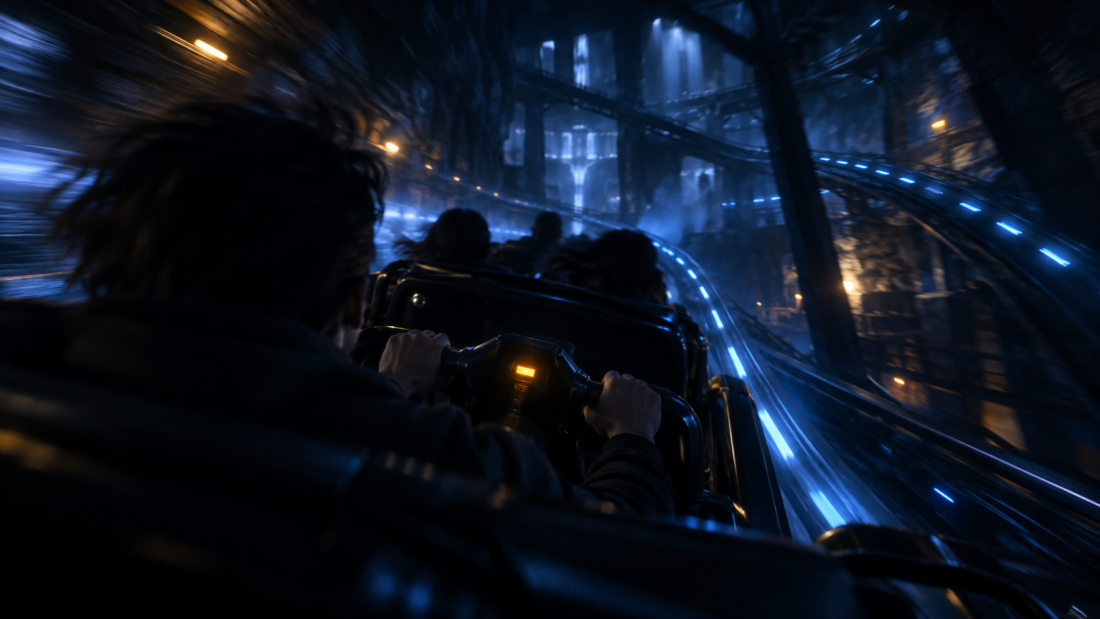
Take one ride.

As an example, let's take a roller coaster in the dark. We'll look at five ways to build it. What changes is what it asks of the rider.

Some experiences are only meant to "work." Some are meant to stay with people. A checkout line doesn't need to change your life. But a film, a ride, or an event… well, it might.

These aren't five grades of quality. They're five different things an experience can ask of the person inside it.

Strike depth framework image
Depth 1

Enactment

Strike

What did the person actually have to do?

There is a handle in front of you, and something in the tunnel happens because you pulled it. Right now you are conveyed. You are cargo with a good view.

Almost nothing. That is why most rides rightly live here.
Light depth framework image
Depth 2

Recognition

Light

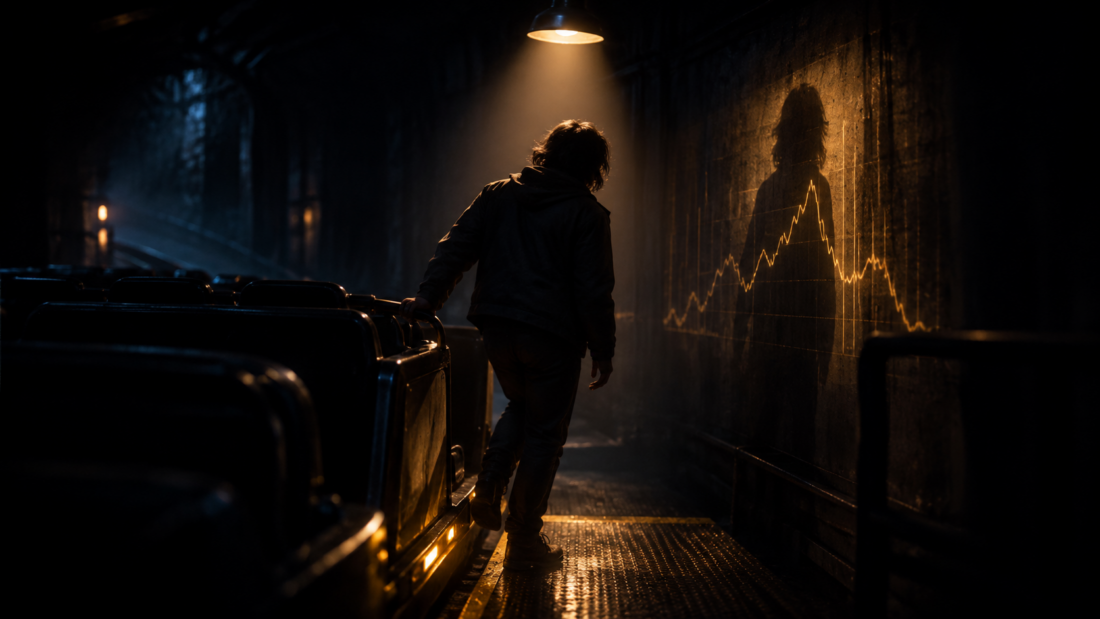
What did they see about themselves that they walked in with?

At the exit it tells you that you braced eleven seconds before the first drop. You did the same thing last time. Nobody else saw it. The dark is why.

A little attention, and one honest moment at the exit.
Heat depth framework image
Depth 3

Encounter

Heat

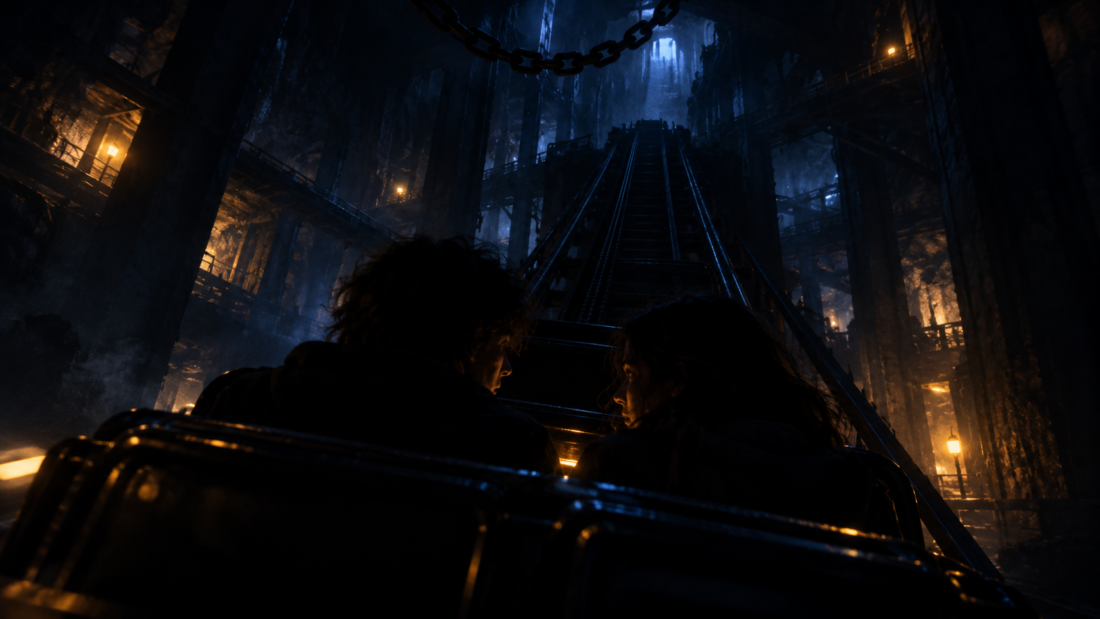
What did they reach for that did not work in here?

Bracing is the move. Grip, endure, wait for the end. It has worked on every ride ever built. Here the car does not move again until you say something out loud, in the dark, to the stranger next to you.

This one is real. Fewer riders get through, and some cars will stall. You need a graceful way out for anyone not willing to play.
Ash depth framework image
Depth 4

Release

Ash

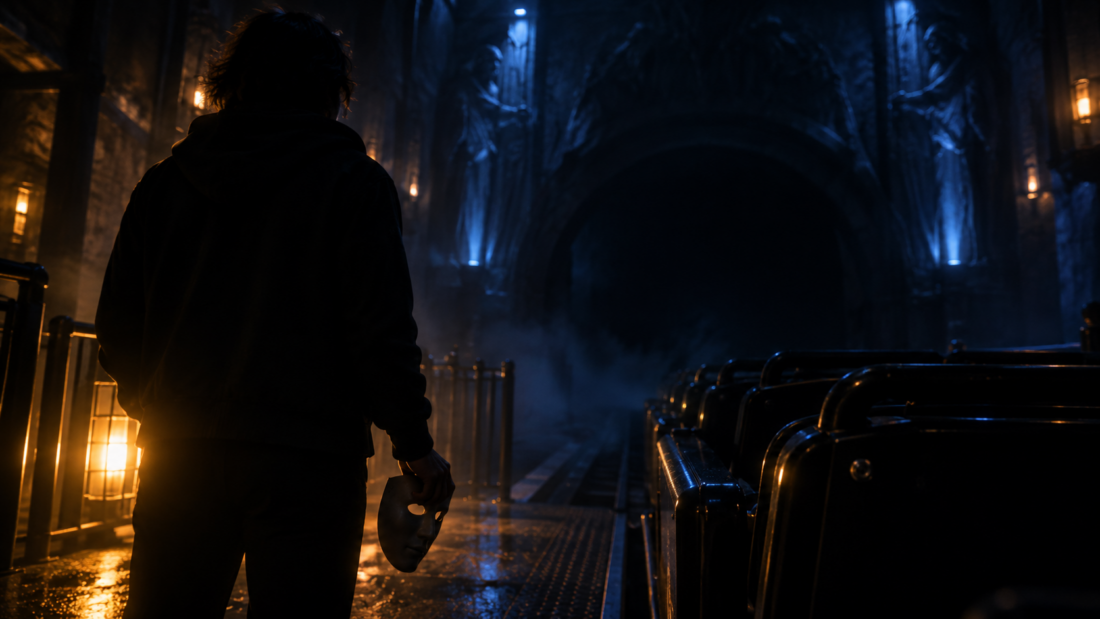
What did they get to stop being for a while?

You are cast as someone you would never pick, and you put on a mask before you board. For four minutes nobody can see who you are, including you. Anonymity is one of the best conditions in this entire industry and almost nobody uses it.

People have to agree to this before they board.
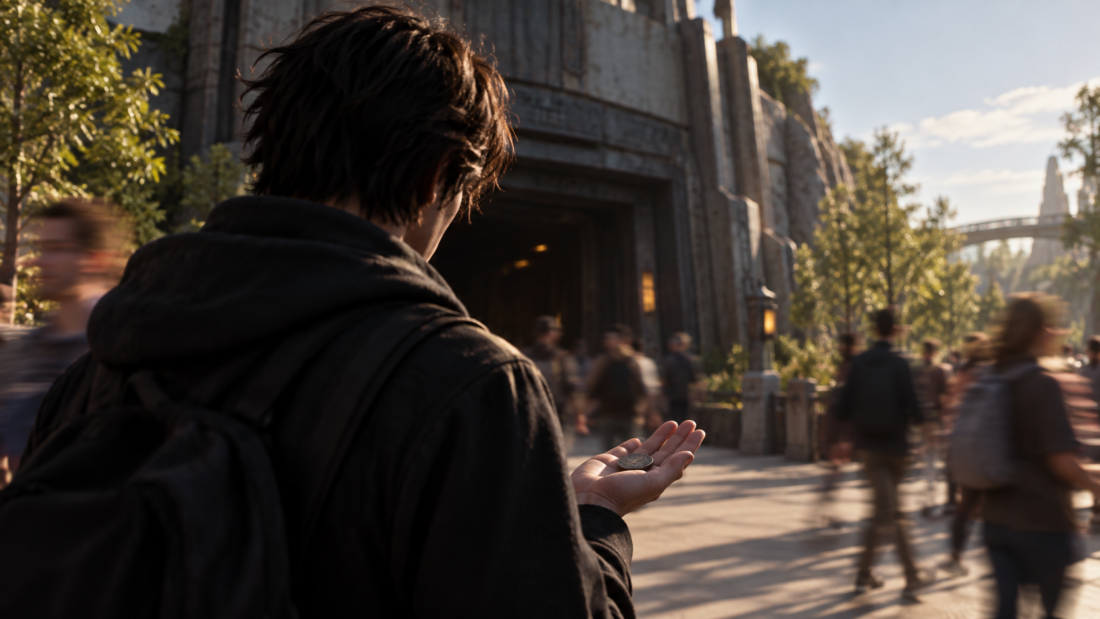
Ember depth framework image
Depth 5

Integration

Ember

What left with them that is still running a week later?

You put something of your own into the dark at the start and it comes back to you at the exit, changed by what happened in between. Not a photo. Not merchandise.

The furthest in, and the least controllable, because the rider finishes it themselves. Nobody has built this in a coaster yet.

The useful question isn't "How deep can we go?" It's "Which depth are we building for?"

Choose it at the start. Then, when someone asks "Are we done yet?", you don't have to buy more time by saying "Trust me." You can say:

"We're building for Encounter. Here's what this version asks of people. Here's what still has to change."

The Five Depths don't tell you what's better. They help you compare the experience you intended with the one you actually built.

Sometimes a project stops exactly where it should.

Sometimes it got hijacked by someone needing an answer before it was ready.

Try it on the project on your desk right now. Which depth were you aiming for? Which depth is it actually at?

Get the Five Depths

The Portal of Creation

1. Wake Up
Discover your true self and step out of your comfort zone.

2. Ignition
Spark your inner fire and set the stage for profound change.

3. Start Weaving
Begin crafting your new story and strengthening key relationships.

4. First Revelation
Experience a paradigm shift that challenges your old beliefs.

5. Individuate
Explore your unique gifts and express your authentic self.

6. Observation
Gain clarity through mindful detachment and self-reflection.

7. Second Revelation
Face your fears and embrace a new level of commitment.

8. Step into Joy
Cultivate happiness and share your life with others.

9. The Challenge
Step into your power and confront your limitations.

10. Third Revelation
Integrate all aspects of yourself and expand your consciousness.

11. True Intimacy
Deepen your relationships and align your career with your purpose.

12. Be of Service
Share your transformation and create a lasting positive impact.

Our Approach

Education and Transparency:
We offer clear explanations and resources to help people understand how AI works and how it affects their daily lives.

Ethical AI Development:
By prioritizing fairness, security, and inclusivity, we aim to shape AI technologies that respect and benefit everyone.

Human-AI Collaboration:
Rather than replacing humans, we see AI as a partner—augmenting human capabilities and sparking innovation across industries.

Consciousness-Based Training:
We integrate mindfulness and deeper awareness into AI development, fostering systems that align with human values and well-being.

Common Fears

Loss of Control to Machines:
There’s a worry that humans might hand over too much decision-making power to algorithms.

Job Displacement:
Automated systems can take over certain roles, fueling concerns about widespread unemployment.

Privacy Concerns:
AI systems often need large quantities of personal data, raising fears about how securely that information is stored, shared, and used.

Ethical Dilemmas:
AI presents tough questions about right and wrong—especially when the outcomes affect people’s lives and freedoms.

Bias and Discrimination:
AI can unintentionally perpetuate or amplify existing social biases, especially if it’s trained on skewed data.